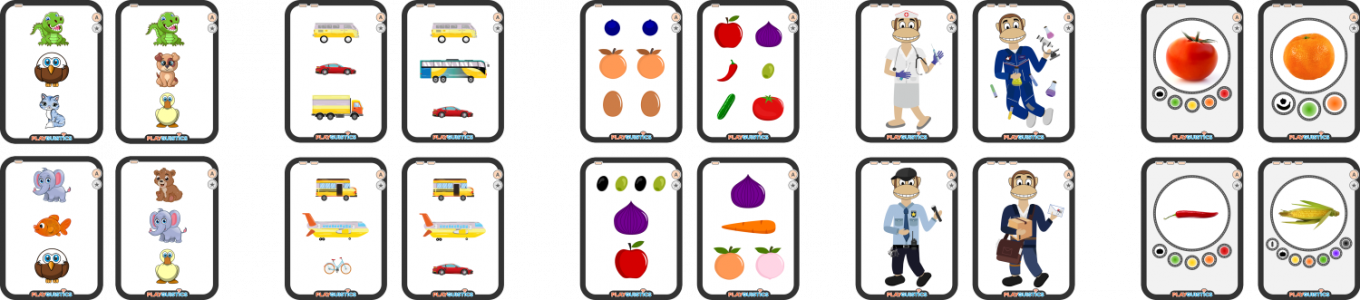
This type of learning exercise is an example of an information-gap activity, which is one of three types of activities within the task-based language teaching (TBLT) methodology.
Information-gap activities engage language learners in tasks that require authentic verbal communication for successful completion. Unlike traditional TBLT activities, which have typically been designed for intermediate and advanced learners, many of the exercise listed below are suitable for beginners and near-beginners. Many TBLT information-gap activities necessitated extensive prior knowledge of the target language. This often left beginners at a disadvantage, unable to reap the benefits of these instructional strategies.
However, the activities listed below are specifically designed to utilize only the vocabulary and sentence structures presented in the instructions. As a result, even complete beginners can actively participate in these activities. The essential vocabulary can be learned quickly or provided through a cheat sheet if students have not yet memorized all the necessary terms. This approach empowers beginners and near-beginners to engage in authentic communication in the target language without requiring months or years of preparatory study.